The Sun shapes every single day on Earth. It warms oceans. It powers winds. It sets the rhythm of sleep, seasons, and stories. From ancient sky watchers to modern satellites, this glowing star keeps pulling us closer with new details and fresh questions. Current research keeps refining what we thought we knew. This guide gathers the most useful, surprising, and grounding facts about the Sun that matter right now.
Timekeeping, daylight, and celestial motion all orbit this star, which is why many readers start with practical references like today’s precise solar timing before drifting into deeper science. Others notice the Sun through daily rituals, such as watching first light described in facts about sunrise. Even long known ideas keep changing as new data appears, building on foundations shared in classic solar facts.
Above the horizon, color and shape can shift in strange ways. Volcanic dust once altered skies worldwide, a story still echoed in twilight afterglow research. Optical tricks near the horizon, explained through sunset mirages, remind us that light bends and dances before reaching our eyes. These effects tie everyday beauty to hard physics.
Quick Solar Summary
A single star drives climate, color, culture, and calendars. Its behavior shapes light, time, and life in ways that science keeps refining.
The Sun as a Living Engine
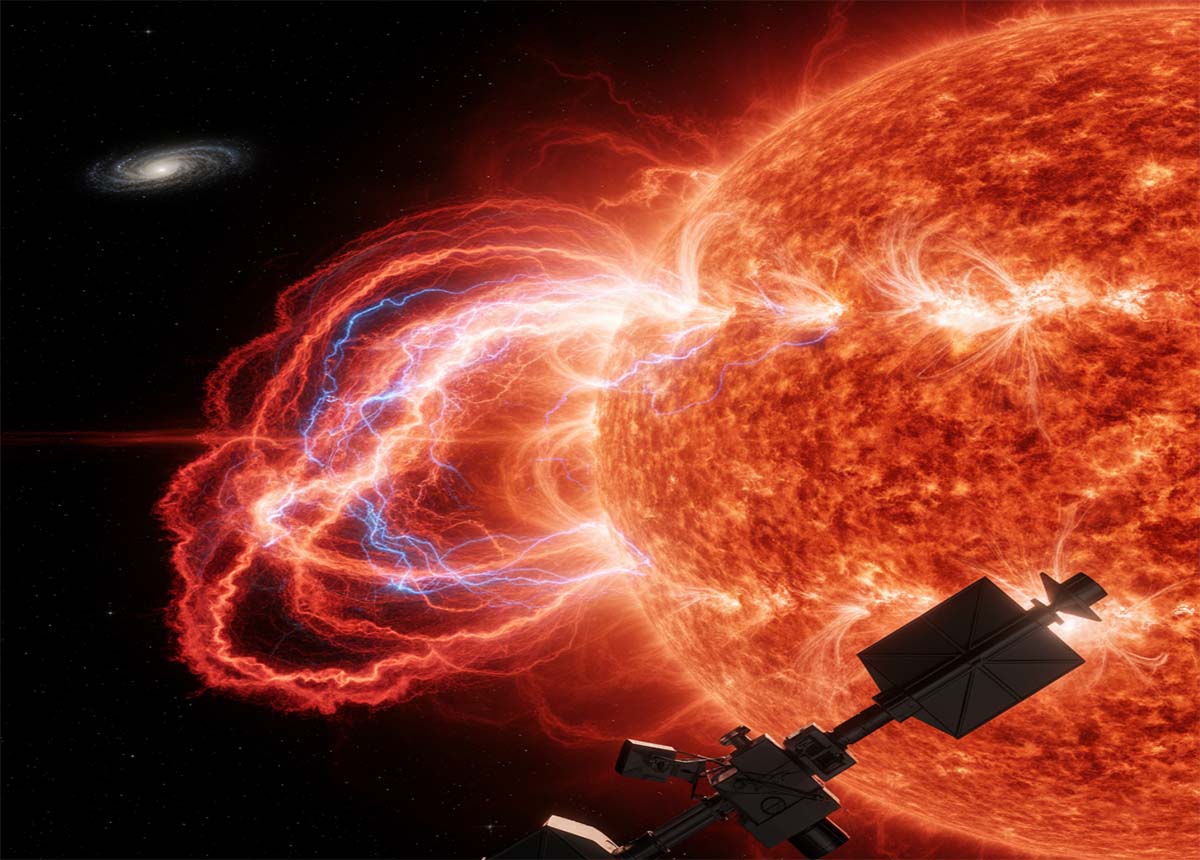
Fact 1. The Sun is not static. It behaves more like a restless engine. Hot plasma churns beneath the surface, creating magnetic fields that twist and snap.
Fact 2. Every eleven years, solar activity peaks. This solar cycle influences sunspots, flares, and radiation levels near Earth.
Fact 3. During active phases, auroras can appear at lower latitudes. Charged particles meet Earth’s atmosphere and paint the sky.
Fact 4. The Sun converts about four million tons of mass into energy each second. This happens through nuclear fusion at its core.
Light, Color, and Human Perception
Fact 5. Sunlight looks white, but it contains every visible color. Earth’s atmosphere filters those colors depending on angle and distance.
Fact 6. Reds and oranges dominate sunsets because blue light scatters away first. This scattering explains why skies shift so dramatically near dusk.
Fact 7. Pollution can dull these colors. Artificial haze reduces contrast, a trend explored in studies on light pollution.
Fact 8. Certain locations enhance color saturation. Geography, humidity, and clean air matter, which is why guides like sunset viewing locations stay popular.
Culture, Art, and Language Under Solar Light
Fact 9. The Sun anchors myths across civilizations. Many cultures built calendars and temples around its path.
Fact 10. Art history follows solar light. Painters chased golden hours long before cameras, as shown in creative depictions of sunsets.
Fact 11. Language borrows from the Sun. Words for hope, clarity, and warmth often trace back to solar metaphors.
Fact 12. Symbolism varies by region. In some traditions, sunset means rest. In others, it marks rebirth. Cultural meanings are mapped in global sunset symbolism.
How Time Bends Around the Sun
Fact 13. Day length changes daily because Earth’s axis tilts. This tilt creates seasons and shifting daylight.
Fact 14. Sunset is not a single moment worldwide. Latitude alters how fast the Sun drops below the horizon.
Fact 15. Twilight stretches longer near the poles. Some regions never fully darken during summer, a pattern explained by darkness timing research.
Fact 16. Precise sunrise and sunset times shift by seconds each day. Tools that track daylight timing help explain these subtle moves.
The Remaining Facts
- Fact 17. The Sun holds over 99 percent of the solar system’s mass.
- Fact 18. Light from the Sun takes about eight minutes to reach Earth.
- Fact 19. Solar wind constantly flows past our planet.
- Fact 20. Earth’s magnetic field shields life from harmful radiation.
- Fact 21. Sunspots appear dark because they are cooler than surrounding areas.
- Fact 22. Solar flares can disrupt radio signals and satellites.
- Fact 23. The Sun will burn for roughly five billion more years.
- Fact 24. Its diameter is about 109 times that of Earth.
- Fact 25. Without the Sun, Earth would freeze within weeks.
Color Table of Solar Light
| Color | Wavelength Range | Common Appearance |
|---|---|---|
| Red | 620 to 750 nm | Sunsets, low Sun angles |
| Yellow | 570 to 590 nm | Midday Sun |
| Blue | 450 to 495 nm | Clear skies |
Science Keeps Adjusting the Story
Satellites now monitor the Sun constantly. Data streams track flares, plasma arcs, and surface vibrations. Each year refines models of how energy travels outward. These insights also sharpen forecasts that protect power grids and astronauts.
New instruments measure subtle changes in brightness. Even tiny shifts can ripple through climate patterns over decades. The Sun remains stable on human timescales, yet sensitive enough to shape long term cycles.
Looking Up with New Eyes
Understanding the Sun in 2026 means blending wonder with data. It is a clock, a furnace, and a storyteller. Each sunrise and sunset reflects layers of physics and history at once. Paying attention to this star sharpens awareness of time, place, and shared experience.
These 25 facts offer grounding. They connect daily light with deep space processes. The Sun remains familiar, yet never fully known, which keeps it worth watching tomorrow and every day after.