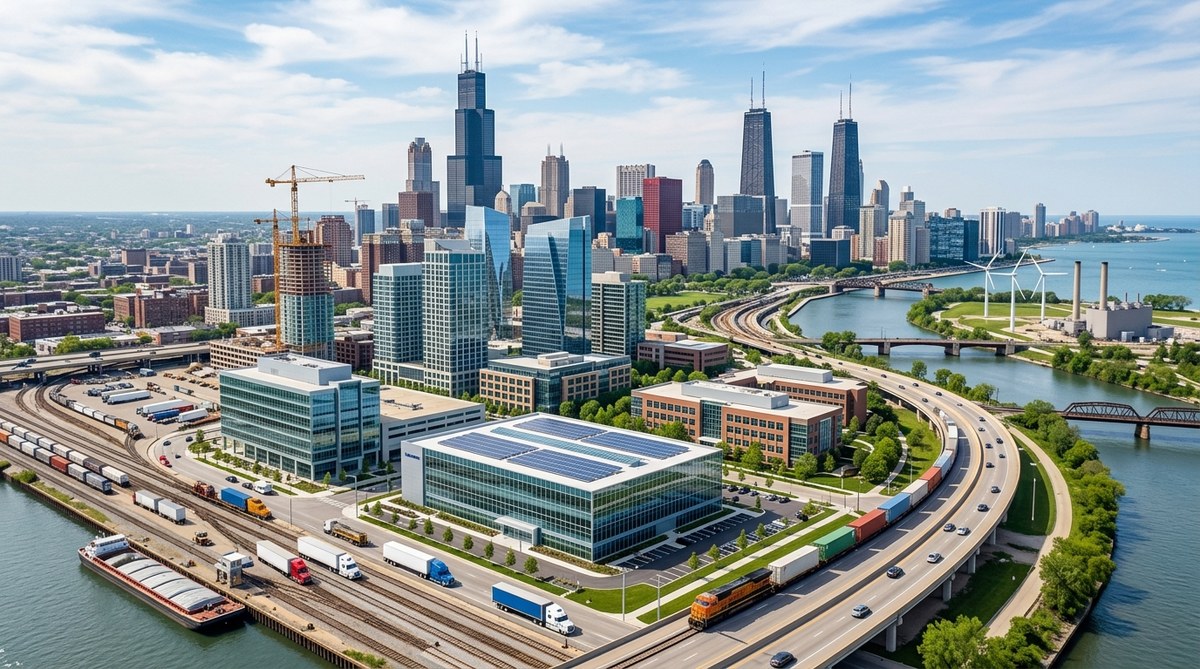
There is a quiet revolution unfolding in the Midwest. Long known for agrarian roots and heavy industry, many Midwestern cities are redefining their economic DNA. Today, diverse sectors work in concert to drive sustainable growth, attract new investment, and create good paying jobs. If you are curious about where opportunity is rising and how communities are adapting to a changing global economy, you are in the right place. This article takes a close look at the local industries powering growth across Midwest cities, the factors behind their success, and how residents, businesses, and policymakers can collaborate to strengthen regional prosperity.
The Midwest Economic Landscape Today
The Midwest economy is shifting from being primarily factory floor driven to a balanced, multi sector landscape. Several forces are shaping this evolution:
- Population and talent pools are expanding in many metro areas, supported by universities, technical colleges, and workforce training programs.
- Investment continues to flow into modern manufacturing, logistics hubs, health care services, information technology, and energy projects.
- Infrastructure upgrades, including rail and road networks, ports, and broadband, are aligning with growing e commerce and just in time supply chains.
- Regional collaboration and place based investments are helping communities convert existing assets into new growth engines.
These trends are not isolated. They reinforce one another. For example, a strong logistics network supports manufacturing and e commerce while a growing health care sector spurs biomedical research and local startups. Across the region, cities that align their policy, education, and infrastructure investments with private sector priorities are seeing faster job growth and more resilient economies.
Key Industries Driving Growth in Midwest Cities
Manufacturing Renaissance Across the Heartland
Manufacturing is not just about assembly lines anymore. It is where automation, advanced materials, and design thinking come together to produce high value goods efficiently.
- What is powering the resurgence:
- Adoption of automation and robotics to boost productivity.
- Investment in advanced manufacturing facilities, including semiconductor and EV components.
-
Strong supplier networks and regional clusters that shorten supply chains.
-
Why it matters for Midwest cities:
- Other regions struggle with long supply chains; the Midwest benefits from its central location and mature logistics ecosystem.
- Local manufacturing boosts export potential while keeping advanced jobs close to home.
-
It encourages resilience as markets shift, because diversified manufacturing reduces risk.
-
Examples of activity you might hear about:
- New plant openings focused on high precision components.
- Retrofitting older facilities with modern equipment to extend lifecycles.
-
Public private partnerships to upgrade energy efficiency and digital controls in factories.
-
Opportunities and challenges:
- Opportunities: skilled labor pipelines, technology transfer from research institutions, and cross state collaboration on incentives.
- Challenges: capital intensity, workforce retraining, and balancing energy costs with production needs.
Agriculture and Food Processing as a Regional Backbone
The Midwest remains a powerhouse for agriculture and food production, but the story now includes processing innovations and value added products.
- Drivers of growth:
- Growth in food processing capacity, packaging innovation, and cold chain logistics.
- Specialty crops, livestock innovations, and sustainable farming practices.
-
Direct to consumer and online grocery channels driving demand for local and regional products.
-
Why it matters:
- Food often anchors regional supply chains, providing stability for communities that rely on agriculture.
-
Local processing adds value locally and can improve rural incomes while supporting urban markets.
-
Key opportunities:
- Investment in processing capacity and cold chain infrastructure.
- Partnerships between farmers, co ops, and processors to streamline supply chains.
- Development of regional branding and consumer markets for locally produced foods.
Transportation and Logistics as a Growth Engine
Logistics is a backbone industry for the Midwest, enabling rapid movement of goods across the region and beyond.
- What makes it work:
- Well placed distribution centers, rail corridors, and highway networks that support cross country shipping.
- Proximity to major consumer markets and global ports creates attractive hubs for warehousing and fulfillment.
-
Investment in automation, inventory management tech, and sustainability practices reduces cost per unit.
-
Regional impact:
- Local talent in warehousing, trucking, and logistics tech supports middle wage jobs and management roles.
-
Economic spillovers occur as service providers (IT, maintenance, security) expand to support logistics clusters.
-
Challenges and solutions:
- Challenges: driver shortages and rising fuel costs.
- Solutions: workforce training programs, partnerships with trucking schools, and investment in energy efficient infrastructure.
Healthcare, Life Sciences and Medical Tech
A growing midmarket health care ecosystem is strengthening Midwest cities by expanding access to services and fostering research.
- Growth drivers:
- Aging populations creating steady demand for clinics, hospitals, and home health services.
- Strong regional universities and research institutes driving biotech and medical device development.
-
Telemedicine and digital health solutions expanding reach into rural communities.
-
Economic benefits:
- High quality jobs across clinical care, administration, and biosciences.
-
Local startups and spin offs from universities that attract venture capital and collaboration with established firms.
-
Opportunities:
- Investment in research parks and medical device incubators.
- Public private partnerships to modernize hospital infrastructure and digital records.
Information Technology, Digital Services and Innovation Hubs
Midwest cities are increasingly home to tech firms, IT services, data centers, and cybersecurity firms.
- Why it matters:
- Tech roles complement traditional manufacturing and logistics, creating hybrid employment opportunities.
- Data centers and cloud service providers benefit from reliable energy infrastructure and resilient power grids.
-
Startups benefit from lower operating costs and supportive local ecosystems.
-
Growth signals:
- New software development centers, AI and analytics labs, and cybersecurity operations.
-
Partnerships with universities to train data scientists and software engineers.
-
Opportunities and challenges:
- Opportunities: talent development programs, tax incentives for tech firms, and collaboration spaces for startups.
- Challenges: attracting top tier tech talent to smaller cities and competing with coastal hubs for investment.
Finance and Insurance in the Midwest
Finance centers across the region are expanding beyond traditional banking to fintech and regional investment services.
- Core drivers:
- A sturdy financial services base supporting small and mid sized businesses.
- Emergence of fintech pilots, payment processing, and insurtech innovations.
-
Regional banks expanding into commercial lending and advisory services tailored to growth sectors.
-
Benefits for local economies:
- Access to capital for manufacturers, logistics firms, and health care providers.
-
Job creation in finance, marketing, risk management and data analytics.
-
Considerations:
- Cultivating a skilled workforce in financial technology and data security.
- Ensuring regulatory environments support innovation while protecting consumers.
Energy and Utilities as a Modernization Catalyst
The energy transition is touching Midwest cities in multiple ways, from traditional generation to wind, solar, and bioenergy projects.
- Why it matters:
- Modern energy systems lower costs and improve reliability for manufacturing and logistics operations.
-
Clean energy projects attract investment, improve air quality, and support sustainable growth.
-
Key developments:
- Wind turbine manufacturing and remote monitoring operations.
- Solar installations on industrial campuses and public utility scales.
-
Bioenergy and ethanol value chains that align with regional agricultural strengths.
-
Opportunities:
- Public private partnerships to upgrade grid capacity.
- Incentives for businesses to adopt energy efficiency measures and on site generation.
Regional Case Studies and Local Dynamics
Des Moines and Greater Des Moines DSM Advantage
- Why Des Moines is growing:
- A well rounded economy with finance, insurance, logistics, and agribusiness sectors.
- A proactive regional development organization that connects employers with training resources.
-
Availability of sites and buildings tailored to distribution, manufacturing, and tech firms.
-
What to watch:
- Workforce pipelines supported by community colleges and universities.
- Investment in transit oriented development to reduce traffic and support housing growth.
Omaha and the Platte River Corridor
- Growth drivers:
- Strong financial services cluster paired with robust logistics and agriculture linkages.
-
An active startup scene around health tech and food processing.
-
Opportunities:
- Upgraded warehouse and distribution facilities to handle e commerce growth.
- Public incentives aimed at attracting manufacturing and data driven services.
Chicago: A Midwest Engine of Growth
- Why Chicago remains a regional magnet:
- A highly diversified economy spanning manufacturing, logistics, finance, tech, and healthcare.
-
Deep talent pools from multiple universities and a mature business services ecosystem.
-
Key strengths:
- World class transportation network including rail, airports, and ports.
-
Large scale innovation ecosystems and a vibrant startup culture.
-
Considerations:
- Maintaining affordable, accessible housing to support workforce growth.
- Ensuring infrastructure keeps pace with rapid demand in logistics and data driven industries.
Cleveland and the Great Lakes Industrial Revival
- What is driving momentum:
- A legacy of manufacturing complemented by health care and bioscience clusters.
-
Investments in research campuses and advanced manufacturing capabilities.
-
Growth levers:
- Partnerships that convert old industrial sites into modern life science and manufacturing campuses.
- Focus on workforce re skilling to meet the needs of high tech manufacturing.
Detroit and the Auto Sector Pivot
- The new era of mobility:
- Electric vehicles and mobility platforms rewriting the city’s manufacturing identity.
-
Collaboration across automakers, suppliers, and software developers to build integrated mobility solutions.
-
Local impact:
- Jobs in fabrication, battery components, software, and system integration.
- Regional training programs to prepare workers for high tech manufacturing roles.
Minneapolis Saint Paul: Health Tech and Food Innovation
- Dual engines of growth:
- Health care services and life sciences research driving employment and innovation.
-
Food processing and distribution networks that connect farms to urban and international markets.
-
Public policy and investment:
- Initiatives to grow a sustainable workforce and support small businesses in the tech enabled economy.
Kansas City and the Interregional Corridor
- What makes KC stand out:
- A robust distribution and logistics cluster with access to major markets.
-
A growing technology and startup scene aligned with university research and corporate partnerships.
-
Growth opportunities:
- Development of regional supply chains that connect agriculture, manufacturing, and retail.
- Incentive programs designed to attract manufacturing and tech driven projects.
Workforce Development and Place Based Investment
A recurring theme across Midwest cities is the emphasis on workforce development and place based investments. Leaders are shaping ecosystems that connect local talent to local opportunities.
- Strategies you will see in action:
- Sector based workforce initiatives that align training with actual employer needs.
- Apprenticeships and cohort based programs in manufacturing, logistics, health care, and IT.
-
University and community college partnerships to accelerate credentialing and job placement.
-
Why place based investment matters:
- It leverages local assets, such as existing facilities, research centers, and community networks.
-
It supports inclusive growth by creating pathways for residents from diverse backgrounds to compete for well paying jobs.
-
Practical steps for communities:
- Map local industry clusters and identify gaps in supply chains.
- Create pipelines for internships, apprenticeships, and on the job training.
- Align public incentives with private sector demand to accelerate project completion.
Strategies for Local Leaders and Investors
If you lead a city, a development agency, or a private company evaluating Midwest opportunities, here are practical steps to consider:
1) Invest in infrastructure that supports growth, such as modernize ports and intermodal facilities, expand broadband, and improve energy reliability.
2) Strengthen workforce pipelines by partnering with schools, colleges, and industry groups to create specific training programs.
3) Foster public private partnerships that can finance large projects, reduce risk, and accelerate timelines.
4) Use data to drive decisions, including labor market information, industry clusters, and local supply chain strengths.
5) Build regional value chains that connect manufacturers with retailers, health care providers with tech firms, and agribusiness with processing capacity.
Opportunities and Challenges Ahead
Midwest growth is promising, but it is not without obstacles.
- Opportunities to seize:
- Growing demand for high quality, locally produced goods and resilient supply chains.
- Investment in clean energy and modernization of manufacturing facilities.
-
Expansion of digital services, software, and data driven health care solutions.
-
Common challenges:
- Securing enough skilled labor to meet expanding needs.
- Managing capital costs for new plants and equipment.
-
Navigating a complex regulatory environment while scaling operations.
-
How communities can respond:
- Create streamlined permitting processes for new projects.
- Provide targeted incentives to high impact sectors.
- Promote regional collaboration to share best practices and reduce duplication.
How to Navigate Local Opportunities
If you are evaluating a move to a Midwest city or considering expansion, use this quick guide:
1) Identify your sector fit and any niche markets that align with regional strengths.
2) Engage with local Economic Development Organizations to learn about incentives, sites, and talent pools.
3) Explore suitable tax credits, grants, and financing programs for manufacturing, logistics, and tech ventures.
4) Build or join a regional supplier network to lower costs and shorten lead times.
5) Assess the talent pipeline and training options to ensure your workforce can scale with your plans.
Conclusion
The Midwest is becoming a hotbed of diversified growth where manufacturing excellence, logistics capability, health care innovation, tech development, and energy modernization intersect. Midwest cities are learning to leverage their unique assets to attract investment, create jobs, and build resilient local economies. The opportunities span established industries and emerging sectors alike, offering a path to sustainable prosperity that benefits workers, families, and communities.
If this overview resonated with you and you want to explore more about how city level dynamics shape economies and lifestyles, keep following FactsWeb.org. We aim to deliver thoughtful economic insights alongside practical guidance for living and working in midwestern communities.