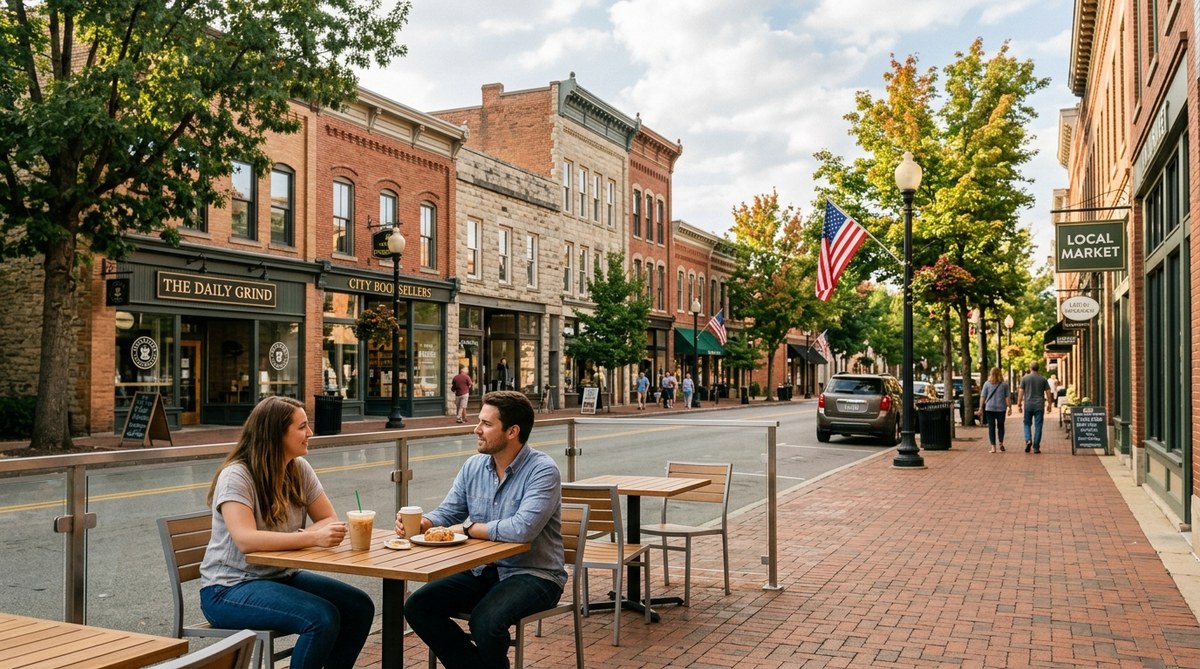
Moving from a big city to a small town can feel like trading skyline views for slower rhythms and friendlier faces. At first glance, many people expect a lower price tag on everything from rent to groceries when they relocate to smaller locales. In reality, the cost of living in small US cities varies a lot by region, housing stock, and access to essential services. This article breaks down what to expect, sharing practical budgeting tips, local realities, and a framework to decide if small city life fits your goals. FactsWeb.org combines city level insights with practical guidance to help you plan a move that aligns with your finances and your lifestyle.
What makes the cost of living in small cities different
Small US cities offer a mix of affordability and trade offs that are different from both large metros and rural areas. The upside often includes lower housing costs, shorter commute times, and a tighter sense of community. The trade offs can include fewer big chain stores, limited public transit options, and variability in wages.
- Housing cost dynamics: Smaller markets tend to have lower prices for homes and rent, but you may encounter higher costs for certain amenities if the town relies on a few key suppliers.
- Utility and service gaps: Utilities and internet plans can be less competitive, which means you should shop around and compare promotions and providers.
- Income patterns: Wages in small cities often reflect local industries such as healthcare, manufacturing, or education. This can influence purchasing power even when other costs are lower.
- Access to amenities: Grocery selection, healthcare facilities, and entertainment options can be more limited, which affects daily spending and convenience.
Understanding these dynamics helps you plan a realistic budget rather than assuming every category will be dramatically cheaper. The insights below are designed to help you compare typical expenses across small cities, mid sized towns, and your current city.
Housing costs and what to expect
Housing is usually the biggest line item in a budget. In small US cities you will typically see:
- Lower monthly rent in most neighborhoods compared with major metropolitan areas
- More affordable single family homes and older housing stock that still meets basic needs
- Potentially higher property taxes in some states or counties
- Maintenance costs that can be lower due to simpler housing stock, but sometimes higher due to aging infrastructure
Rent versus buying in small cities
- Rent often beats buying in the short term, especially for newcomers.
- Expect rents that are reasonable for the size of the town but still subject to location. Town centers tend to be pricier than outlying neighborhoods.
- Buying can be attractive if you plan to stay several years.
- Mortgage payments may be competitive with rent, and property taxes can vary widely by state.
- Consider total cost of ownership.
- Include HOA fees if applicable, maintenance reserves, and insurance premiums.
Housing quality and supply
- Housing stock in small cities ranges from newly built apartments to historic homes needing updates.
- If you plan to renovate, budget for permits and contractor availability, which can be slower in smaller markets.
- Neighborhood choices matter: proximity to employers, schools, and healthcare typically drives value more than the mere size of the house.
Quick tips for evaluating housing affordability
- Compare price per square foot for similar homes in your target area.
- Check crime and school quality indicators that influence home values and resale potential.
- Consider energy efficiency and utility costs when assessing housing affordability.
Everyday expenses: groceries, utilities, health care
Beyond housing, daily costs in small cities can vary in meaningful ways.
Groceries and consumer goods
- Local markets can offer fresh produce at lower prices in agrarian regions, but smaller towns may have fewer supermarket chains, which can affect pricing and selection.
- Seasonal offerings and local producers can provide good values for those who shop with a plan.
- Online shopping and delivery options may be different from what you are used to in larger cities.
Utilities and internet
- Utility rates for electricity, water, and natural gas can differ by region and climate. Some towns face higher fixed charges or maintenance fees.
- Internet service options vary. If you work from home or rely on streaming, verify the speeds and reliability available in your block or neighborhood.
- Bundling services (internet, television, phone) can offer savings, but it is important to compare with standalone options.
Health care access and costs
- Small cities often have regional hospitals or clinics that handle routine care with reasonable costs.
- Specialist services may require travel to larger nearby cities, which adds travel time and expenses.
- Health insurance plans can be less expensive in some towns but keep an eye on network coverage and out of pocket costs.
Daily budgeting tips
- Create a 30 day rolling budget that tracks groceries, utilities, and occasional big purchases.
- Plan meals and shopping trips to reduce waste and save money.
- Build an emergency fund to cover unexpected medical or car related costs.
Transportation and commuting
Transportation costs can be a defining factor when weighing small city life.
Car ownership, fuel, and maintenance
- Many smaller towns rely on cars for most trips, which means gas, insurance, and maintenance costs stay relevant.
- Insurance premiums can be lower in some states, but rates vary with driving history, age, and location.
- Car maintenance can be cheaper due to lower labor costs in smaller markets, but parts availability for older models may require longer trips to service centers.
Public transit and alternatives
- Public transit in small cities is often limited to buses or van services, if available at all.
- If you can work remotely part of the week, you may reduce commute costs and wear on your vehicle.
- Proximity to rail or bus hubs can affect travel choices for weekend trips or visits to family.
Planning for a car light lifestyle
- If possible, choose a neighborhood with easy access to essential services within a short drive or walk.
- Use a vehicle for essential trips and explore bike friendly routes if the terrain allows.
- When moving, evaluate whether a second car is needed given your work location and school routes.
Income and employment landscape
Understanding local wages helps you assess affordability in small cities.
Median wages and local opportunities
- Wages in small towns tend to reflect the dominant industries, which may include healthcare, manufacturing, education, retail, or public sector jobs.
- Some towns offer competitive salaries in specialized sectors, while others may rely on seasonal or part time roles.
- Your personal skills and networking can significantly impact what you earn in a new market.
Unemployment and labor market dynamics
- Unemployment rates in small cities can be influenced by regional economic cycles and the health of key employers.
- Participation in the labor force may vary with age demographics and education levels.
- Regions such as the Midwest often show robust manufacturing or healthcare employment, yet job growth can be uneven between towns.
Industry mix and regional variation
- Midwest towns may emphasize manufacturing and logistics, which can offer steady incomes but require specific skill sets.
- Coastal and rural Appalachian towns may lean on natural resources, tourism, or healthcare services.
- Agricultural communities can have seasonal peaks that influence income stability.
Practical steps to assess your earning potential
- Check local job boards and company postings to understand typical salaries.
- Talk to recruiters or local business groups to gauge demand for your skills.
- Build a realistic budget with a two to five year plan that accounts for wage growth and cost of living changes.
Hidden costs and lifestyle tradeoffs
Beyond the obvious line items, small city living introduces some less visible costs and considerations.
Access to amenities and shopping
- Fewer big box retailers or specialty shops may mean longer trips for certain purchases.
- Daily errands can require planning, especially if you rely on specialized services not present locally.
- For some households, adding a monthly subscription service or delivery can offset travel costs.
Education and child care
- Public and private school options vary, which influences family decisions and potential tuition costs.
- Child care costs can be a major budget factor for working parents and may be higher in towns with limited providers.
- Extracurricular activities offer value but can come with travel time to reach suitable venues.
Safety, risk factors, and resilience
- Small towns typically report lower crime rates, contributing to peace of mind and long term savings on security needs.
- Some regions face natural hazards such as flooding, winter storms, or wildfire risk; consider insurance implications and home preparedness.
- The scale of emergencies can differ, and access to quick response services may depend on proximity to larger regional hubs.
Social capital and community involvement
- A strong local network can reduce the perceived cost of living by offering neighbors who share resources, babysit, or lend tools.
- Active civic life may require time and energy to participate in town meetings, volunteer committees, or local events.
- The upside is a sense of belonging and a more predictable support system during major life changes.
Relocation and planning tips
If you are seriously weighing a move, use these practical steps to manage costs and minimize surprises.
How to estimate moving costs
- Get quotes from multiple moving companies and compare services for cross state moves.
- Consider DIY options for long distance moves if you have a lean budget.
- Plan for packing supplies, insurance coverage during transport, and temporary housing during transition.
How to research a small city effectively
- Create a short list of questions about housing, job markets, schools, healthcare, safety, and commute times.
- Visit your target city during different times of the week and seasons to gauge traffic and amenities.
- Speak with residents through local forums, coffee shops, and community centers to learn about daily life.
Test visits and phased moves
- If possible, spend a long weekend in a neighborhood you are considering to experience the rhythm of the town.
- Start with a phased move that allows you to keep a home base while you establish yourself in the new city.
- Use a trial period to gauge your internet speed, grocery options, and healthcare access.
Regional snapshots: Midwest, Appalachia, and beyond
Regional patterns can help you anticipate typical costs and opportunities in small cities.
Midwest relocation costs and employment patterns
- The Midwest often features towns with solid manufacturing and healthcare employment.
- Housing costs can be very affordable, especially outside the core city areas, but you may encounter higher property taxes in certain counties.
- Transportation costs may be manageable if you own a reliable vehicle, but remote areas could require longer trips to reach specialized services.
Appalachia and the rural South
- Small towns in these regions may offer deeply affordable housing but slower internet and fewer large retailers.
- Healthcare access can vary, making proximity to a regional hospital valuable.
- Community life is often strong, with many local events and volunteer opportunities.
Coastal and inland contrasts
- Coastal small cities may face higher housing costs due to demand near water and tourism.
- Inland towns can provide good value, especially if driven by agriculture or local institutions.
- The pace of life and access to seafood, fresh produce, and regional specialties can shape your weekly budget.
Is small city living worth it
The answer depends on your priorities. If you value a lower cost of living, shorter commutes, and a tight knit community, small city life can be highly rewarding. If you require abundant shopping, diverse nightlife, or immediate access to top tier healthcare, you might encounter more trade offs.
- Pros of small city living:
- Lower housing costs and more room for your budget
- Strong sense of community and easier local connections
- Potentially lower stress levels and shorter commutes
- Cons to consider:
- Limited shopping and entertainment options
- Fewer job opportunities in specialized fields
- Access to healthcare and higher education facilities may be more centralized outside town
A practical budget framework for your decision
- Step 1: List your essential expenses (housing, utilities, food, health care, transportation).
- Step 2: Research typical costs in your target town for each item and build a baseline budget.
- Step 3: Add a contingency for one to three months of extra costs during the transition.
- Step 4: Compare your current city budget to the target town budget to assess overall affordability.
- Step 5: Plan a test visit or short term rental to confirm day to day realities.
Real world tips from people who moved
- Talk to residents about daily shopping habits and typical wait times for service providers.
- Inquire about school districts and the availability of after school programs.
- Check the reliability and speed of the internet in your exact address to avoid surprises.
Conclusion
Cost of living in small US cities varies widely, but there is a common thread: housing affordability often improves while access to services can require more planning and patience. For families and individuals who value community, lower crime, and steadier pace of life, small towns can offer a compelling financial and emotional payoff. The key is approach and preparation. Start with a careful budget, a realistic view of regional differences, and a plan for testing the waters before making a long term commitment. FactsWeb.org is here to help you compare cities, assess hidden costs, and build a plan that aligns with your economic realities and lifestyle goals. With thoughtful research and a clear strategy, you can navigate the costs and enjoy the benefits of life in a smaller US city.